Hand Surgery FAQs
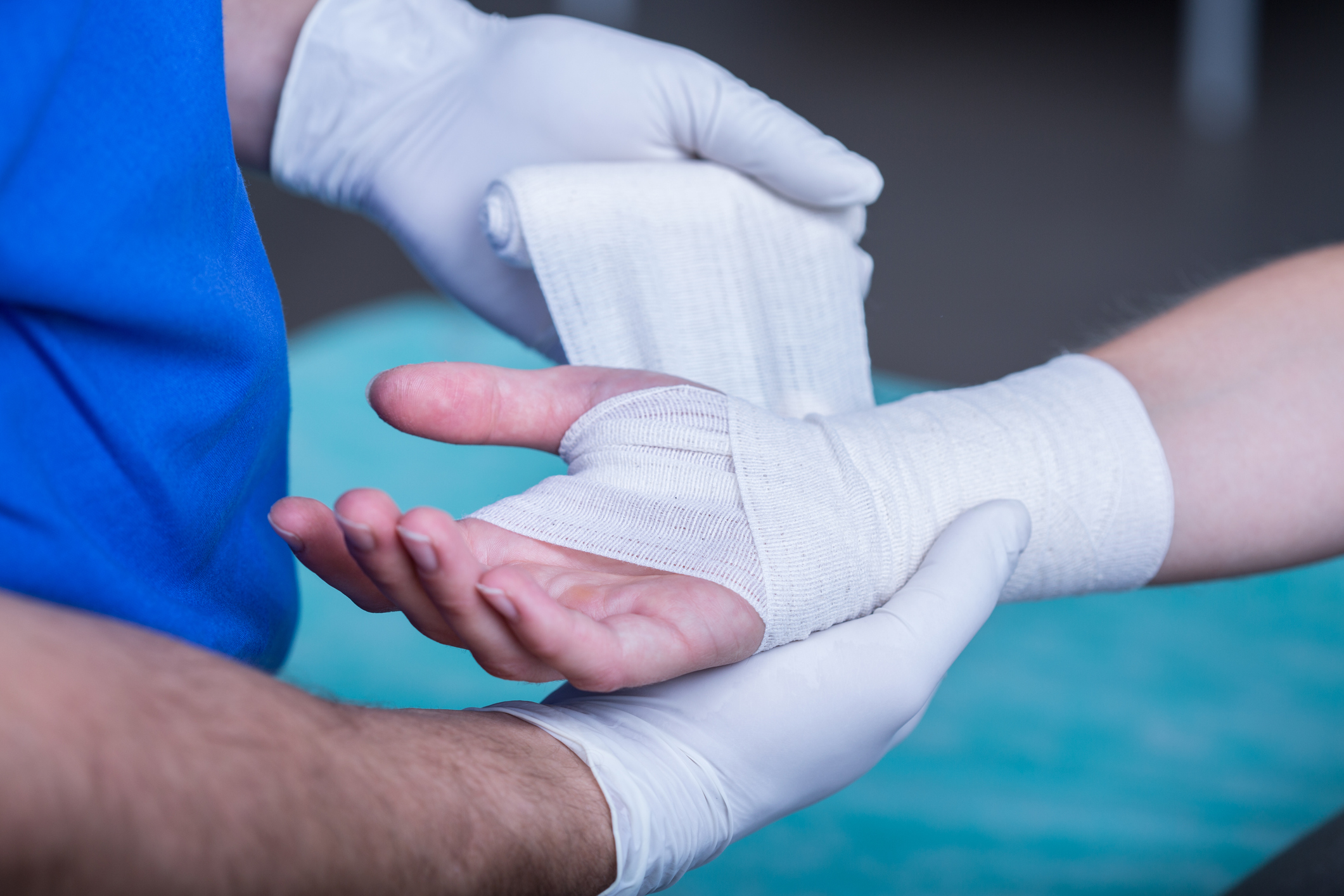
Is Recovery from Hand Surgery Very Painful?
Hand surgeons want their patients to be as comfortable as possible throughout the entire treatment experience. The procedure itself will likely warrant general anesthesia, so you will be asleep during the surgery. If your surgery is minimally invasive, you may only need to have regional anesthesia – which is where you will remain awake but the area is numbed, so you will not feel any pain.
During your recovery, your doctor will give you a strong pain-relief prescription to be used for the first few days as the pain naturally subsides. You will also have physical therapy, which will help your hand get stronger and able to heal relatively quickly.
How Do I Prepare for the Procedure?
Patients are usually advised not to eat or drink anything starting at midnight on the day of the surgery. This is because general anesthesia cannot be administered to someone who has food or liquid in their stomach, otherwise the food can come back up through the esophagus during surgery and cause a dangerous situation.
On the day of the surgery, you will likely be asked to arrive two hours before the procedure. Be sure to leave all valuable jewelry at home.
Your surgeon will also give you any important information well before your hand surgery. For example, if you are on blood thinners, you may be asked to stop taking it or to reduce your intake of it within several days before the operation.
What Happens After Hand Surgery?
First of all, you will not be able to drive yourself home after the surgery, so you will need someone you know to drive you. Keep in mind that you will not be able to have someone you do not know to drive you home.
Recovery from hand surgery will involve physical therapy beginning very soon after the procedure. You will be taught hand exercises that you can do at home, with the purpose of gradually regaining strength, flexibility, and range of motion.